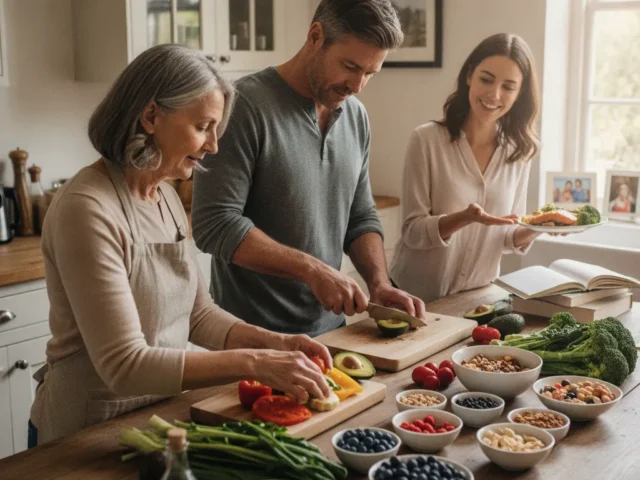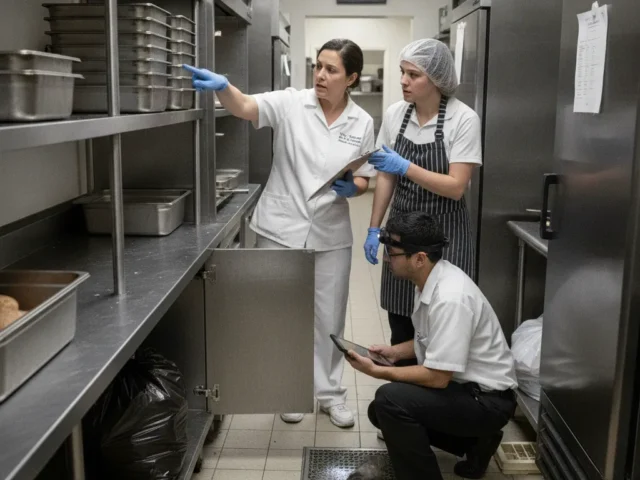
Most of us are well aware that we should eat more greens and fewer processed sugars, yet there is a frustrating gap between knowing what is healthy and actually putting those meals on the table. This disconnect is where food literacy comes into play. Unlike simple nutrition education, which focuses on vitamins and calories, food literacy is a comprehensive set of practical skills. It encompasses everything from meal planning and grocery shopping to understanding food safety and mastering basic cooking techniques. Essentially, it is the bridge that allows someone to take a piece of dietary advice and turn it into a tangible dinner.
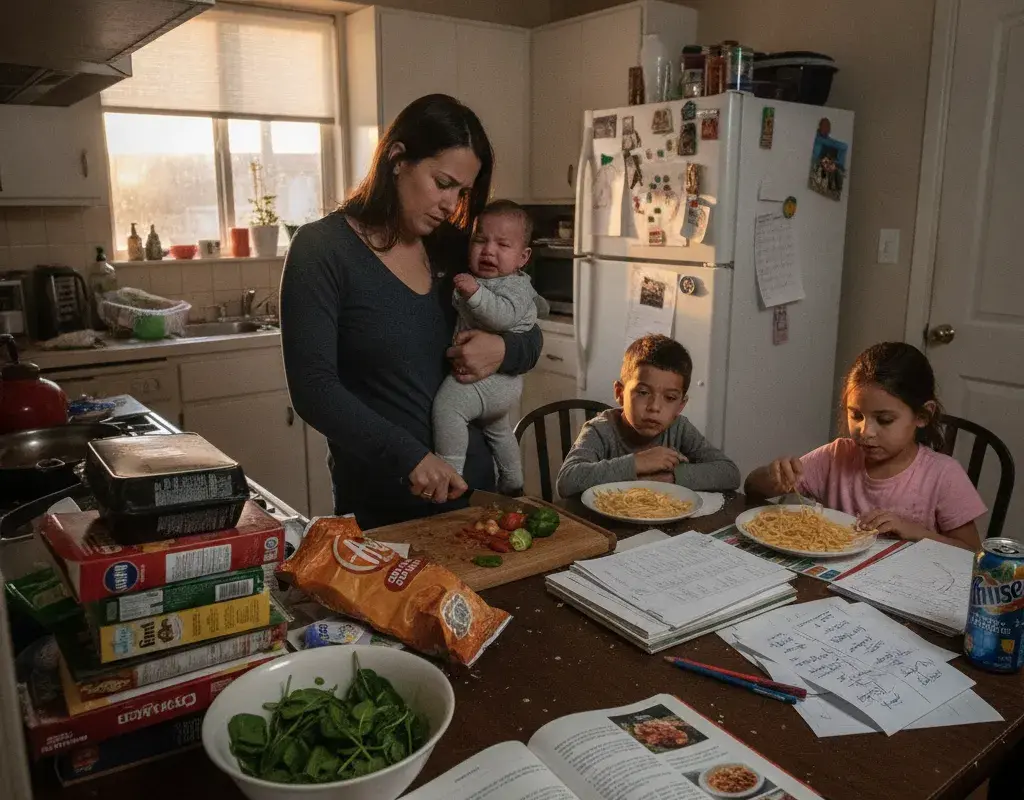
However, possessing these skills does not happen in a vacuum. Even the most food literate person can be defeated by their environment. Factors like the high cost of fresh produce or living in a neighborhood without a reliable grocery store create systemic barriers that knowledge alone cannot fix. When families face food insecurity, they often opt for calorie dense but nutrient poor options because they are affordable and accessible, regardless of whether they know those choices are less healthy. This suggests that true wellness requires both personal skill sets and equitable access to quality ingredients.
There is growing interest in integrating these skills directly into our healthcare systems through initiatives like culinary medicine. By combining traditional nutrition counseling with hands on cooking classes, providers hope to give patients the confidence to manage chronic diseases through their diets. While early results show an increase in patient confidence and knowledge, experts warn that short term workshops aren’t a magic cure. Long term health outcomes depend on whether these newly acquired habits can survive the pressures of daily life, highlighting that eating well is as much about lifestyle logistics as it is about willpower.